What Surgical Technologists Taught Me About Leading Through Crisis
I found out this February, standing in front of 300 surgical technology educators in New Orleans during Mardi Gras week.
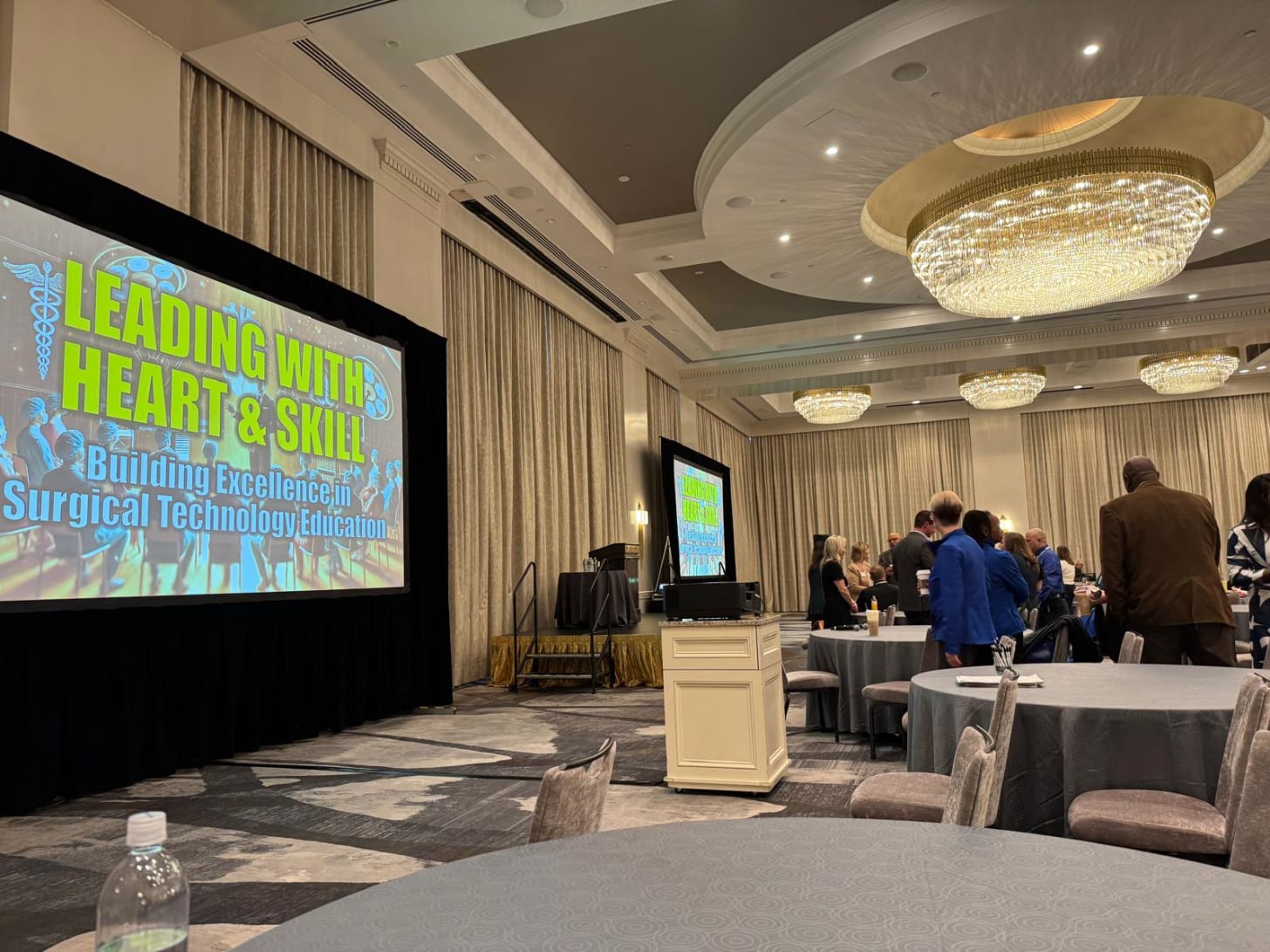
These weren’t your typical conference attendees. These were people who’d spent years in operating rooms — places where normal is life-or-death precision, and crisis is just Tuesday.
The Setup That Changed Everything
I was hired to give a keynote on “likable leadership” to program directors and clinical coordinators who train the next generation of surgical technologists. Simple enough, right? Talk about communication, generational differences, maybe throw in some AI trends.
Then I learned something that shifted my entire approach: if you call a surgical technologist a “nurse” or “technician,” they will literally boo you off the stage.
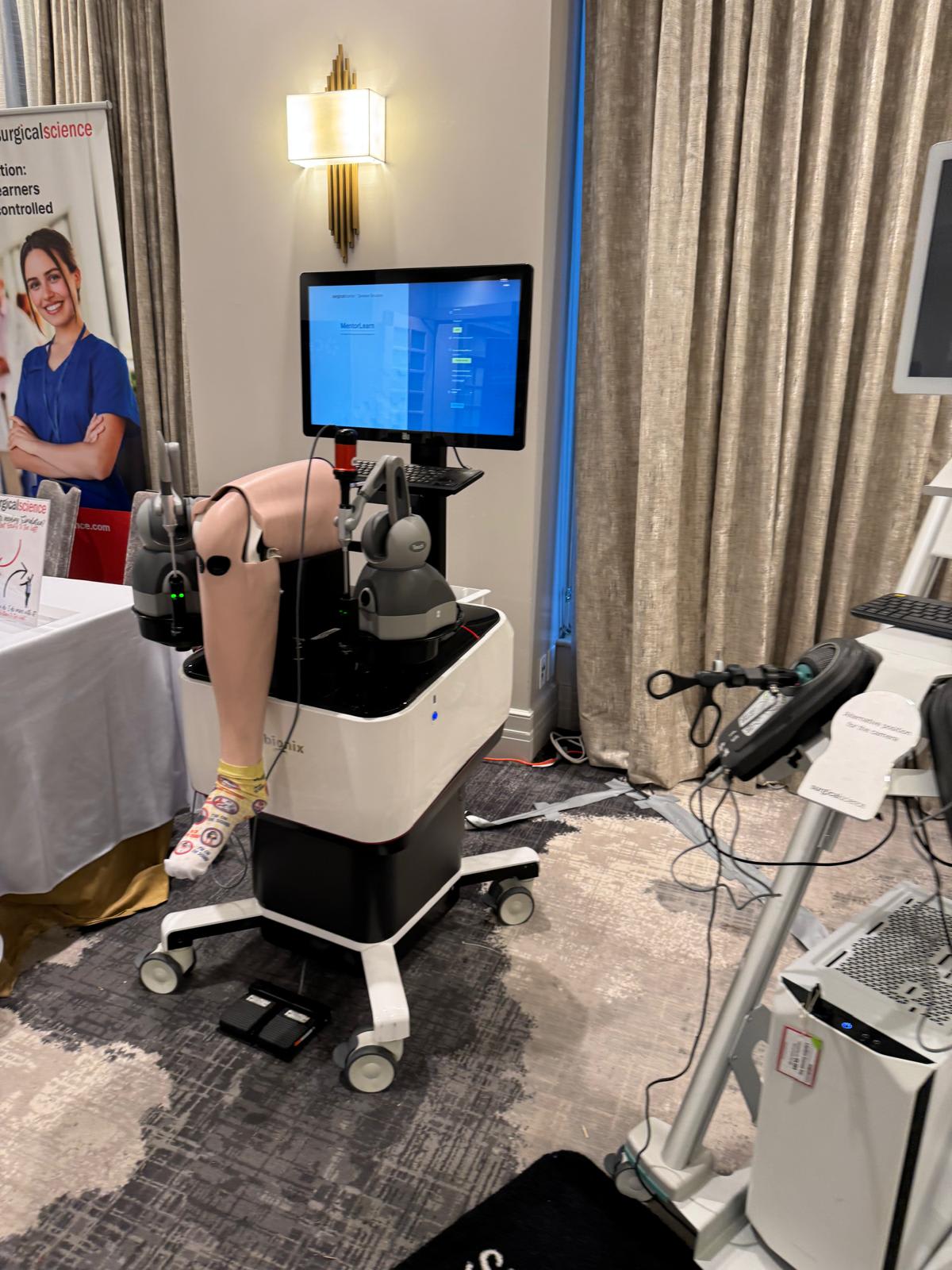
One of the items in the vendor area selling items to surgical technology educators. It’s a fake leg.
This wasn’t just professional pride — it was about identity under pressure. Surgical technologists have their own distinct role in the OR, their own training, their own standards. They’re not nurses (who circulate and handle paperwork), and they’re definitely not technicians (who transport patients and answer phones). They’re the professionals who set up every instrument, maintain sterile fields, and anticipate what surgeons need before they ask for it.
🧠 Head Check: When was the last time someone misunderstood what you actually do? How did it feel when your expertise got reduced to a checkbox?
Subscribe now
The Real Crisis Wasn’t COVID
As we dug into their challenges during the keynote workshop, something fascinating emerged. Yes, they’d dealt with pandemic stress, staffing shortages, and budget cuts. But their deeper crisis was generational.
They had Baby Boomers with decades of OR experience approaching retirement, taking institutional knowledge with them. They had Gen Z students learning high-stakes skills in an environment where mistakes can literally kill people. And they had everyone in between trying to bridge the gap while managing their own burnout.
When I asked them to complain about each generation, the room erupted:
Boomers: “Too rigid, hate technology, won’t change”
Gen X: “Know-it-alls who don’t play nice with others”
Millennials: “Want work-life balance but forget about the work part”
Gen Z: “Dramatic, entitled, quit when things get hard”
Sound familiar? This wasn’t just healthcare — this was every organization trying to function with four generations under one roof.
The Flip That Changes Everything
But here’s where it got interesting. I had them flip every complaint into a strength:
Boomers being “rigid”? That’s consistency in high-stakes environments where protocols save lives.
Gen X being “know-it-alls”? That’s knowledge and fearless independent problem-solving.
Millennials wanting work-life balance? That’s sustainable practices that prevent burnout.
Gen Z being “dramatic”? That’s passionate advocacy and knowing their worth.
❤️ Heart Check: The complaints we have about others often reveal our own fears about being misunderstood.
What Crisis Really Teaches Us
In that room, watching educators transform frustration into curiosity, I realized something profound about crisis leadership:
Crisis doesn’t create problems — it reveals them.
The generational tensions existed before COVID. The staffing challenges existed before budget cuts. The communication breakdowns existed before the technology changes.
Above: Some fake blood and organs for more surgical tech education!
Crisis just turns up the volume until we can’t ignore what was already there.
The surgical tech educators couldn’t vote their way out of staffing shortages or fundraise their way out of every budget gap. But they could control how they communicated across generations. They could choose curiosity over judgment. They could build psychological safety in high-pressure learning environments.
The Heart + Skill Integration
Near the end of my talk, I told them about my wife’s emergency surgery — nine days in the hospital, watching different nurses come through our room. Some were technically competent. Others had both competence AND connected with us as humans.
Guess which ones we remembered?
🧭 Gut Check: Technical skill gets you in the room. Heart keeps you there and makes everything else possible.
This isn’t just true in healthcare. Whether you’re leading a surgical technology program, managing a remote team, or trying to get buy-in for a new initiative, people need to trust both your competence and your character.
The Leadership Lesson That Stuck
At the end of the keynote, I asked what values most improve quality of care. The room debated safety, knowledge, teamwork, compassion. No overwhelming consensus — because context matters.
But when we talked about obstacles to quality care, the answers were unified: staffing, burnout, money, equipment, ego, busyness.
The breakthrough moment? Realizing some obstacles require systemic change (which takes time), while others require personal change (which can start today).
You can’t immediately fix staffing shortages. But you can immediately choose to communicate with more curiosity. You can’t instantly get new equipment. But you can instantly decide to lead with both competence and compassion.
What This Means for Your Crisis
Whatever crisis you’re facing — market volatility, team turnover, technology disruption, family stress — the same principle applies:
Focus on what you can control, accept what you can’t, and lead with both your head and your heart.
The surgical tech educators taught me that crisis leadership isn’t about having all the answers. It’s about staying curious about the people around you, honoring their expertise even when it’s different from yours, and creating psychological safety in high-pressure environments.
🔄 Life Change Invitation: Think about a current challenge you’re facing. What part requires systemic change (patience and persistence), and what part requires personal change (which you could start today)?
Maybe the crisis isn’t the problem. Maybe it’s the revealer of what was always possible — if we’re brave enough to lead with both skill and heart.
Share
What’s your experience leading through crisis? I’d love to hear your Head/Heart/Gut Check in the comments.
Crazy Good: Thinking better. Feeling deeper. Living smarter. is a reader-supported publication. To receive new posts and support my work, consider becoming a free or paid subscriber.